The Haudenosaunee say they belong at the Olympics. The IOC say they aren’t in the business of nation building. Whether they’re in or out, the Haudenosaunee will be headliners at LA28.
by Boone Kilpatrick
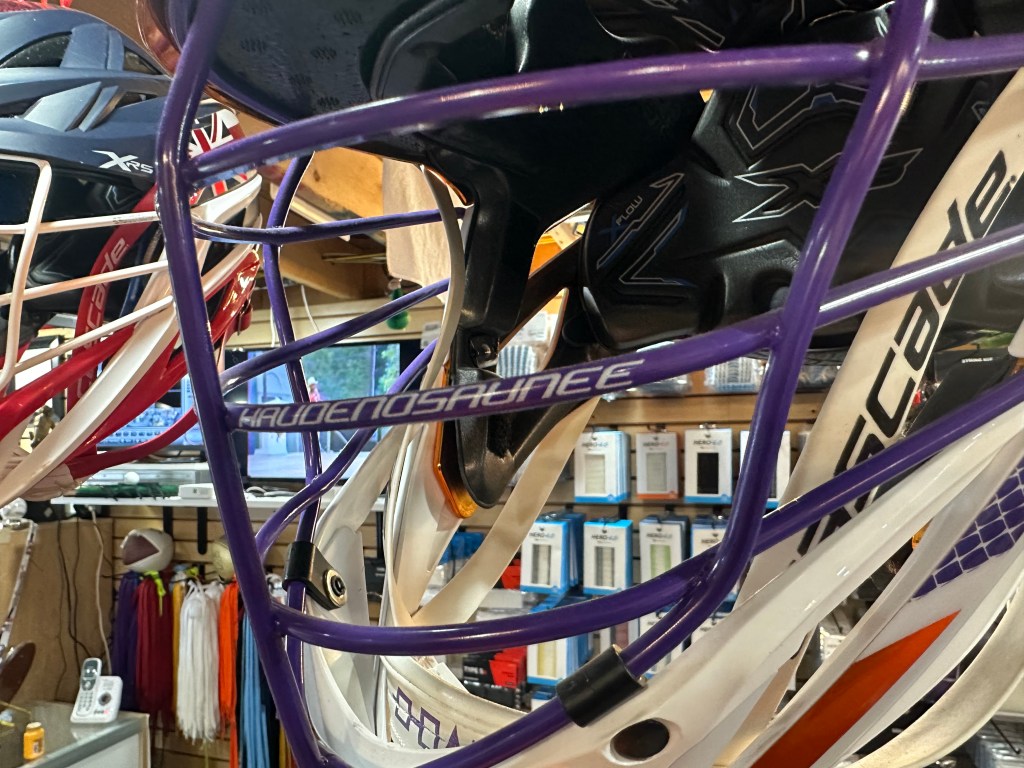
The Haudenosaunee, also known derogatorily as the Iroquois, have played the game of Lacrosse for more than 1000 years. They say the game has the power to heal communities, a “medicine game.” Despite their near extinction at the hands of colonial incursion, the Haudenosaunee have survived to fiercely claim their sovreignty in the 21st century.
The sport of sovreignty
The Haudenosaunee, carry their own passports, fly their own flag, have their own national anthem, and have a largely independent system of governance. Many of these rights have been afforded through Lacrosse and the success of the Haudenosaunee National Lacrosse team and their continued participation and success at the international level, frequently giving world powers Canada and the United States a run for their money at the world championships and the world games. The Haudenosaunee nationals travel to competitions on Haudenosaunee passports which were created for the Nationals to compete at the 1990 World Championships in Perth. Their flag and anthem were created for that competition as well. Sports may attempt to take a back seat in international affairs, but it is difficult to deny the outsized role they play in international recognition and sovreignty.
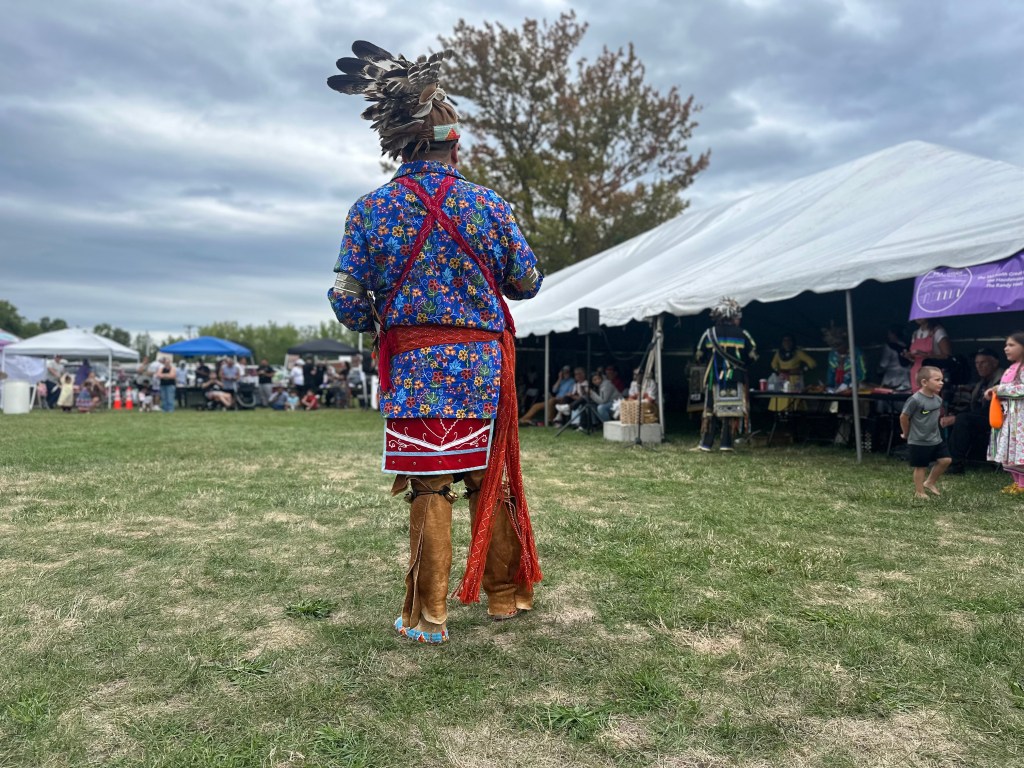
the olympics
With Lacrosse making it’s return to the Olympics after nearly a century, the Haudenosaunee, the third best squad in the world despite having a relatively miniscule player pool, have made it their mission to compete under the Hiawatha Belt Flag. But the IOC has pushed back saying the Haudenosaunee cannot compete without a National Olympic Committee. However, to form an NOC, a nation needs membership in at least five world sporting bodies, and international recognition, things that the Haudenosaunee don’t have and won’t get in time.
Special circumstances
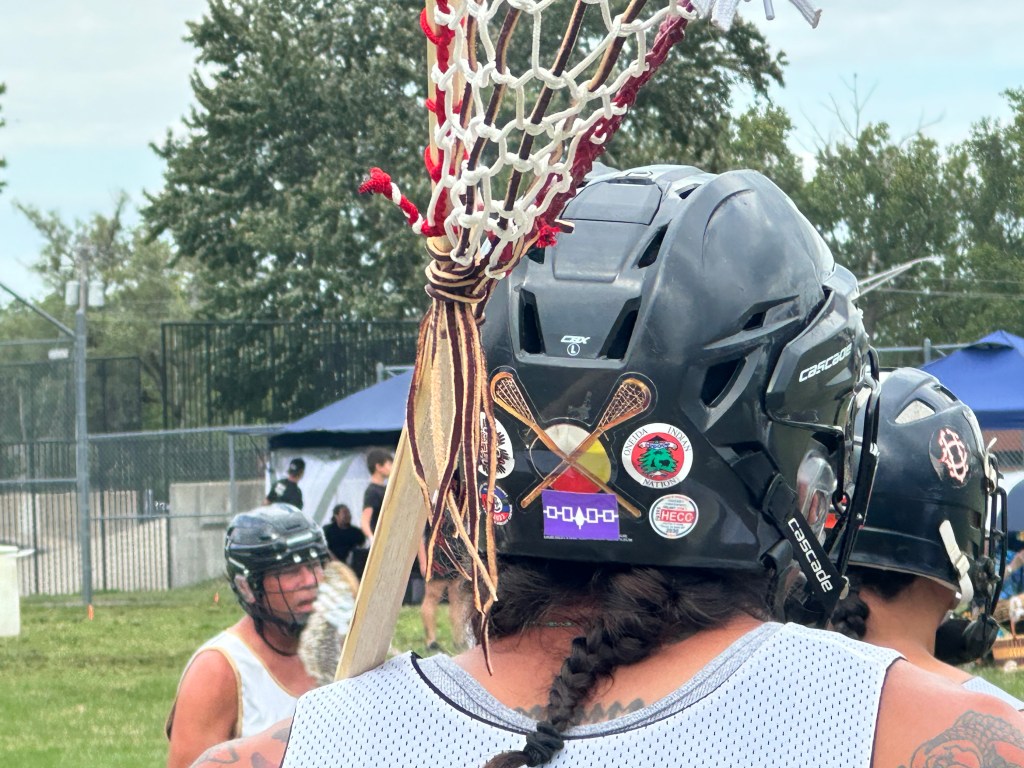
The Haudenosaunee recently sent a delegation to the Olympic headquarters in Switzerland, to have the first of a possible series of meetings with the IOC president, Kirsty Coventry. They aim to convince the president and the board that NOC or not, the Haudenosaunee are a special case. Do they have a point? From the IOC’s view, an exemption would open a pandora’s box of disputed territories, indigenous nations, and independence fronts demanding their place in the Olympics. But the Haudenosaunee say that as the inventors of the sport, and it’s spiritual stewards, they are a completely unique case, and that Olympic Lacrosse without the Haudenosaunee would be wrong.
Final Thoughts
There is no denying that the Haudenosaunee’s inclusion at the Olympics would be a seismic development in their quest for unanimous world recognition and for indigenous statehood around the world. The IOC has a strict non-interference policy when it comes to world affairs. However as more nations throw their support behind the Haudenosaunee, the issue is becoming impossible to ignore. The IOC find themselves in a tight spot: allow a special exemption and be deluged with other disputed nations looking to compete, or deny and be deluged in negative press for denying Lacrosse’s inventors on their ancestral lands.

 Boone Kilpatrick
Leave a comment